Understand · Longevity Coach article
Can Stress Really Age You? What 9/11 Responders Are Teaching Us About the Brain
A World Trade Center responder study offers a careful lesson about trauma, brain-age models and the practical importance of treating stress without turning every difficult week into a diagnosis.
By Longevity Coach Editorial Team ·
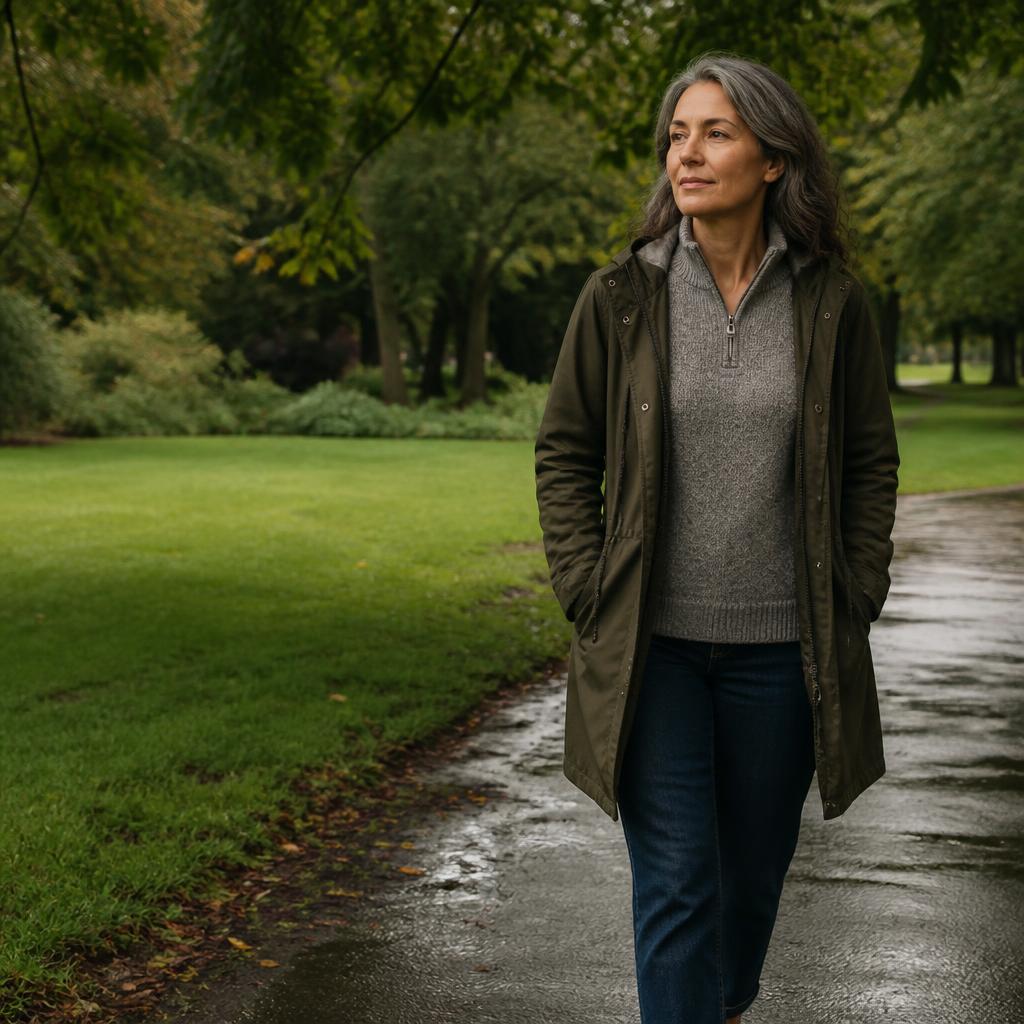
Stress is one of those words that can mean almost anything. It might describe a week of impossible meetings, the strain of caring for a parent, or the feeling that money and time are both running short. It can also describe post-traumatic stress disorder after an experience that overwhelms a person's sense of safety. Those are not interchangeable experiences, and treating them as if they were would help nobody.
Research involving World Trade Center responders offers a serious way into the question. It does not prove that an ordinary bad month makes you biologically older. It does suggest that prolonged trauma, psychological illness and physical exposure can interact with health in ways worth understanding. The useful conclusion is not to panic about a “brain age” number. It is to take mental health seriously as part of whole-person health.
What the responder study actually found
A recent MRI study compared 47 World Trade Center responders with PTSD with 52 age- and sex-matched responders without PTSD. The researchers used an imaging model to estimate brain age from MRI scans. The PTSD group showed an average MRI-derived brain age approximately three years older than chronological age, while the comparison group did not show the same pattern.
That is a finding about groups, not a verdict on an individual. “Brain age” is a statistical estimate produced by a research model. It is not the age of a brain in the ordinary sense, not a clinical diagnosis and not a countdown clock. A result such as this can help researchers ask whether a condition is associated with measurable differences in brain structure. It cannot tell one responder, or one reader, exactly how long they will live or how well they will think.
It is also important not to collapse different exposures into one story. Responders may have faced toxic dust and other environmental hazards, traumatic work, disrupted sleep and chronic psychological symptoms. The study's PTSD comparison does not prove that toxic dust caused the estimated brain-age difference, and it does not show that PTSD literally makes everybody's brain exactly three years older. The relationship between exposure, trauma, inflammation, sleep, cardiovascular health and mental health is complicated.
PTSD is more than being stressed
After a frightening or traumatic event, people can experience intrusive memories, nightmares, avoidance, feeling constantly on guard, low mood, irritability or changes in concentration and sleep. PTSD is a recognised mental-health condition, not a fashionable name for a demanding job. Diagnosis and treatment belong with qualified professionals.
That distinction matters because everyday stress and trauma can sit on the same continuum of human strain while requiring different responses. A difficult project may call for a boundary, a walk and a conversation about workload. Trauma symptoms that persist, interfere with life or make someone feel unsafe deserve appropriate assessment. Comparing a busy inbox with rescue work at Ground Zero is not a helpful form of perspective; it is a way of making people feel foolish for needing help.
Long-running stress can still affect ordinary health through several plausible routes. It may make sleep less settled, reduce the energy available for exercise, alter appetite and increase reliance on alcohol or smoking. It can raise the load on a cardiovascular system already dealing with blood pressure and other risks. Anxiety and low mood can shrink a person's social world. These pathways are credible and clinically relevant, but a plausible mechanism is not proof that one particular stressor causes a specific disease in one person.
The brain and body do not live in separate departments
It is tempting to put mental health in one box and physical health in another. In real life they share the same calendar. Poor sleep can make concentration and mood harder. Pain can make movement and social contact less appealing. Loneliness can make a difficult problem feel less solvable. Cardiovascular health and brain health are connected, which is one reason our guide to brain and vascular health focuses on the whole picture rather than a single brain supplement.
Research into inflammation is part of this wider conversation. Persistent inflammation can be involved in many conditions, but “inflammation” is not one disease and there is no home test that can explain every symptom. The vagus nerve is also sometimes presented as a master switch for stress. Our article on the vagus nerve explains why interesting biology should not become a promise that a breathing trick can reverse ageing.
Brain-imaging markers can be useful research tools while remaining limited in daily life. A model can find patterns across scans without providing an actionable answer for the person in front of it. The better question is often more ordinary: Are you sleeping? Can you concentrate? Are you avoiding places or people? Has your enjoyment narrowed? Are you managing blood pressure and other health needs? Those questions lead to care and support, not to a frightening number.
Midlife has its own forms of prolonged strain
For many people between 40 and 65, stress accumulates quietly. You may be supporting children while caring for parents, coping with bereavement, navigating redundancy, running a business, living with chronic illness or dealing with a relationship breakdown. Financial pressure can keep the nervous system on alert. Loneliness can be present even in a busy household.
None of these should be casually equated with the experience of responders. The lesson is narrower and more useful: a person's mental state is part of their health context. A plan that tells somebody to eat perfectly while ignoring an unsafe relationship, an impossible caring load or untreated trauma is not a complete longevity plan.
Sometimes the most valuable health change is not adding another habit. It is removing, sharing or renegotiating something that has been grinding you down for years. That might mean asking siblings to share caring tasks, getting debt advice, changing an unsustainable work arrangement or admitting that a relationship needs serious help. Not every stressor can be removed, but identifying the one that can be changed is progress.
What can you actually do about chronic stress?
Start with support, not self-blame. Tell someone trustworthy what is happening. Social connection does not cure PTSD, but isolation rarely makes recovery easier. A regular walk with a friend can combine movement, daylight and conversation. Our piece on friendship and care explores why reciprocal relationships are part of a good later life, not a decorative extra.
Move in a way you can repeat. Physical activity can support mood, sleep, cardiovascular health and confidence. It does not need to be a punishment or a test of character. Start with walking, cycling, swimming, gardening or gentle strength work that fits your current capacity. Our guide to varied movement is about capability rather than chasing a perfect score.
Protect sleep where you can. A stable wind-down, a darker bedroom and a consistent wake time may help, but sleep advice cannot solve every traumatic symptom. Persistent nightmares, severe insomnia, breathing problems or overwhelming daytime sleepiness deserve professional advice. Our sleep and brain ageing guide covers the basics without turning one difficult night into a judgement. Sleep is a foundation, not another reason to criticise yourself.
Try calming practices for their real benefits. A comfortable breathing exercise, time outdoors, prayer, mindfulness, music or a meaningful activity may help you settle. Do not use them as proof that you have “reset” a nerve, removed inflammation or treated PTSD. Stop any breathing exercise that makes you dizzy, and choose practices that make life larger rather than more demanding.
Seek proper help for trauma. NICE guidance supports psychological treatments for PTSD, including trauma-focused cognitive behavioural therapy and eye movement desensitisation and reprocessing in appropriate circumstances. A GP, NHS Talking Therapies service where available, or a qualified mental-health professional can help identify a suitable route. If you are in immediate danger or feel unable to keep yourself safe, seek urgent help through local emergency services or NHS 111.
Longevity is not a brain-age score
The responder research is valuable because it makes an invisible burden visible enough to study. It is not valuable because it gives us a new personal score to obsess over. A scan-derived marker can be associated with a condition without becoming a diagnosis, and a diagnosis can be treatable without becoming a fixed destiny.
Healthy ageing includes a body that can move, a mind that can recover, relationships that provide support and enough room to do things that matter. Sometimes the next useful step is a walk. Sometimes it is therapy. Sometimes it is asking for help with money, work or caring. The point is not to optimise every biological signal. It is to make the life ahead more liveable.
Sources / Further reading
- SuperAging: WTC responders, toxic dust and PTSD (discovery source).
- Icahn School of Medicine at Mount Sinai: PTSD and MRI-derived brain age in responders.
- PubMed: psychological resilience and brain ageing in WTC responders.
- NICE NG116: post-traumatic stress disorder.
- NHS: PTSD overview and treatment.