Strength · Longevity Coach article
Back Pain: What Actually Helps When You Don't Want to Live on Painkillers?
A practical, evidence-informed guide to staying active, exercise, physiotherapy and other non-drug options for back pain — plus symptoms that need urgent assessment.
By Longevity Coach Editorial Team ·
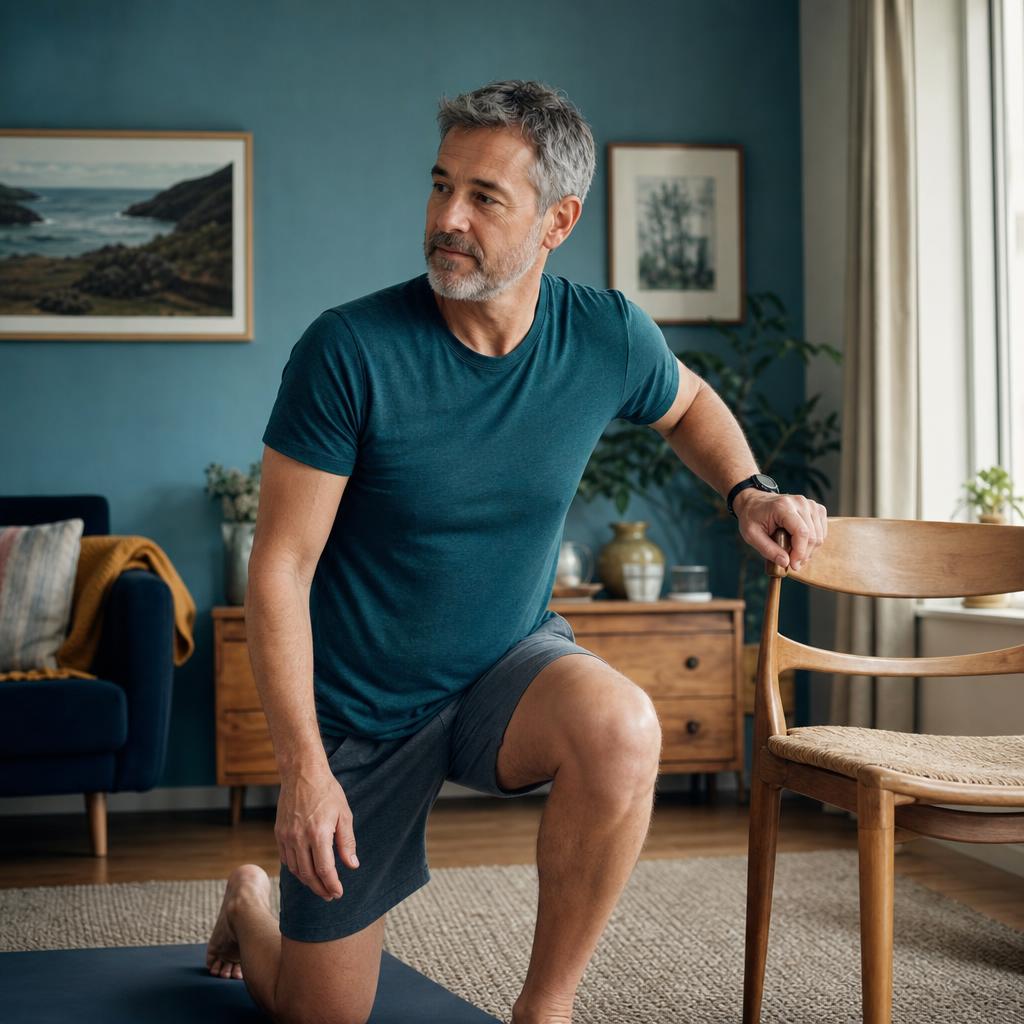
Back pain has a way of negotiating with your calendar. First you skip the long walk. Then the gardening, the train journey, perhaps the evening with friends because sitting sounds uncomfortable. The pain is real; so is the gradual loss of things you wanted to keep doing.
That is why a useful question is not only “How do I make this hurt less?” It is also “What will help me move, sleep and take part in life again?” For many people, a thoughtful non-drug plan is part of the answer. It is not a promise of a quick cure, and it is not an argument that pain is imaginary. It is a way to build confidence and capacity while taking symptoms seriously.
First, what kind of back pain are we talking about?
Back pain can come from many causes, and pain that travels down a leg may involve an irritated nerve (often called sciatica). In a large proportion of people, an assessment does not identify one specific structural cause that explains everything. Clinicians may call this non-specific low back pain. The label does not mean “nothing is wrong”; it means that symptoms cannot reliably be pinned on one damaged part.
Scans can show changes such as disc wear or bulges in people who have no pain at all. Conversely, a normal scan does not make someone's pain less genuine. An image is one piece of information, not a complete account of what a person feels or can do. NICE advises against routine imaging in a non-specialist setting, and says imaging in a specialist setting should be considered only when the result is likely to change management.
Pain is shaped by more than a picture of the spine: sensitivity of the nervous system, sleep, stress, mood, past experience and day-to-day demands can all influence how it feels and how limiting it becomes. None of that makes it “all in your head”. It means a helpful plan can address the whole situation, rather than pursuing a perfect scan.
Movement is usually a starting point, not a test
When your back hurts, rest can feel like the safest option. A brief pause from an aggravating activity may be sensible, but extended bed rest often leaves you stiffer and less prepared for ordinary demands. NHS advice is to stay active and continue daily activities as far as you can. NICE recommends encouraging people to continue with normal activities.
That does not mean forcing through severe pain, or proving your toughness by lifting something you are not ready to lift. Think gradual and adjustable: a few short walks rather than one ambitious march; changing position regularly; returning to a valued activity in manageable portions. Some temporary discomfort can happen as you move, but new or escalating symptoms deserve attention. A clinician or physiotherapist can help you choose a level that fits your presentation.
Progress can be measured in more human units than a pain score. Did you get to the shops? Sit through a family meal with breaks? Walk around the block without spending the next day in bed? Those are useful signs that your options may be widening, even if pain has not vanished.
Exercise and physiotherapy: find a plan you can keep
There is no single magic exercise for every back. NICE says to consider a group exercise programme, taking account of a person's needs, preferences and capabilities; approaches may be biomechanical, aerobic, mind–body or combined. The best starting point may be walking, a supervised strengthening plan, water-based movement, or exercises a physiotherapist selects after assessing you.
Strength work can help rebuild capacity for lifting, carrying and daily tasks. Aerobic movement supports general fitness and gives you practice doing more. Mobility work can make particular movements feel easier. The point is not to collect an impressive routine; it is to find repeatable activity that is appropriate for your symptoms and goals. The Longevity Coach pillars put movement in the context of the other parts of a life that matters.
Physiotherapy can help with assessment, tailored exercise and pacing a return to activities. It is not simply a set of hands-on treatments. Ask what the proposed approach is meant to help you do, what you can practise between appointments and how you will review progress. If a plan leaves you dependent on repeated passive treatment but no clearer about self-management, it is reasonable to ask for a more active one.
When pain is persistent, high-impacting or accompanied by distress or fear of movement, a broader plan may be useful. Pain education and psychological approaches such as cognitive behavioural therapy can help some people develop coping strategies and resume activity; this does not mean pain is psychological or that exercise is a substitute for medical assessment. NICE reviewed NG59 in July 2026 and withdrew its previous psychological-therapy and combined-programme recommendations, so these approaches should not be represented as a current NICE recommendation for low back pain. Discuss whether they suit your circumstances with a qualified clinician.
Yoga, Pilates, massage and acupuncture: where do they fit?
Yoga or Pilates may be a welcome way to practise controlled movement, strength and mobility. They are options, not compulsory prescriptions. Choose a class or instructor able to adapt movements, and tell them about relevant symptoms. Starting gently and modifying positions is more sensible than treating a class as a test of flexibility. If a movement produces new neurological symptoms or a marked worsening, stop and seek advice.
Manual therapy includes spinal mobilisation or manipulation and soft-tissue work such as massage. NICE's current recommendation is to consider it only as part of a package that includes exercise. In other words, a hands-on treatment may have a supporting role, but it should not be sold as a way to put a spine “back in place” or as the whole plan. Massage may feel soothing for some people; that immediate experience does not establish that it corrects a structural problem or prevents future episodes.
Acupuncture is often suggested, but NICE says not to offer it for low back pain with or without sciatica. Evidence varies across reviews and settings, and it should not be presented as a proven fix. Treatments such as traction, belts or corsets, ultrasound, TENS and interferential therapy are also not recommended by NICE for this purpose. Be wary of confident claims for devices, supplements or expensive programmes that promise to “realign” or permanently repair a back.
RED FLAGS: when to get medical help promptly
Most back pain is not caused by a dangerous condition, but some symptoms need urgent assessment. Seek emergency help now — in the UK, call 999 or go to A&E — if you develop pain, tingling, weakness or numbness in both legs, numbness around the genitals or anus, difficulty peeing, loss of bladder or bowel control, or back pain after a serious accident. These symptoms can signal serious nerve compression such as cauda equina syndrome. Do not drive yourself to A&E.
Get prompt medical advice if back pain comes with fever or feeling systemically unwell, unexplained weight loss, a history of cancer, immune suppression, prolonged steroid use, or other personal history that raises concern. If uncertain about urgency, contact NHS 111 or your GP for triage. This list cannot diagnose the cause; a clinician will consider the whole picture.
Make the goal bigger than a lower pain score
Back pain may fluctuate, and recovery is not always a straight line. A useful plan makes room for good days and difficult ones: keep a manageable routine, adjust rather than abandon activity, and ask for help if progress stalls or symptoms change. Sleep and stress are part of that picture too; our article on using health data in context is a reminder that a measurement should help you make a decision, not become another verdict.
Non-drug does not mean “no professional care”, and it does not mean everyone must avoid medication. Decisions about pain relief should be individual, particularly if you have other conditions or take other medicines. A GP, pharmacist or physiotherapist can help you weigh options. The aim is not to earn a badge for enduring pain without help.
Instead, try to reconnect care with the activities pain has pushed aside: walking to meet someone, getting back to the allotment, lifting a grandchild safely, travelling with planned breaks. Recovery may mean finding a tolerable way to do more before it means feeling nothing. In the meantime, a growing network of ordinary support matters; our article on friendship, care and the social side of later life considers why people around us are part of well-being too.
The objective is not simply to achieve a lower pain score. It is to get more of your life back — with sensible assessment, movement you can sustain, and support that respects both the pain and the person living with it. If you are deciding what you would like to make possible, start with the life you want to live and build from there.
Sources / Further reading
- SuperAging: Do Any Non-Drug Treatments Help Back Pain? (discovery source).
- NICE NG59: Low back pain and sciatica — recommendations (current recommendations, including the July 2026 surveillance update).
- NHS: Back pain (self-care and when to seek help).
- World Health Organization: Low back pain (overview of impact and care).