Understand · Longevity Coach article
What If Getting Older Isn’t Just Something to Fight?
Ageing does not improve every part of life, and no benefit is automatic. But knowledge, emotional steadiness and a clearer sense of priority can grow with experience.
By Longevity Coach Editorial Team ·
Topics: benefits of getting older · ageing and wellbeing · strengths in later life · purpose in midlife · life design
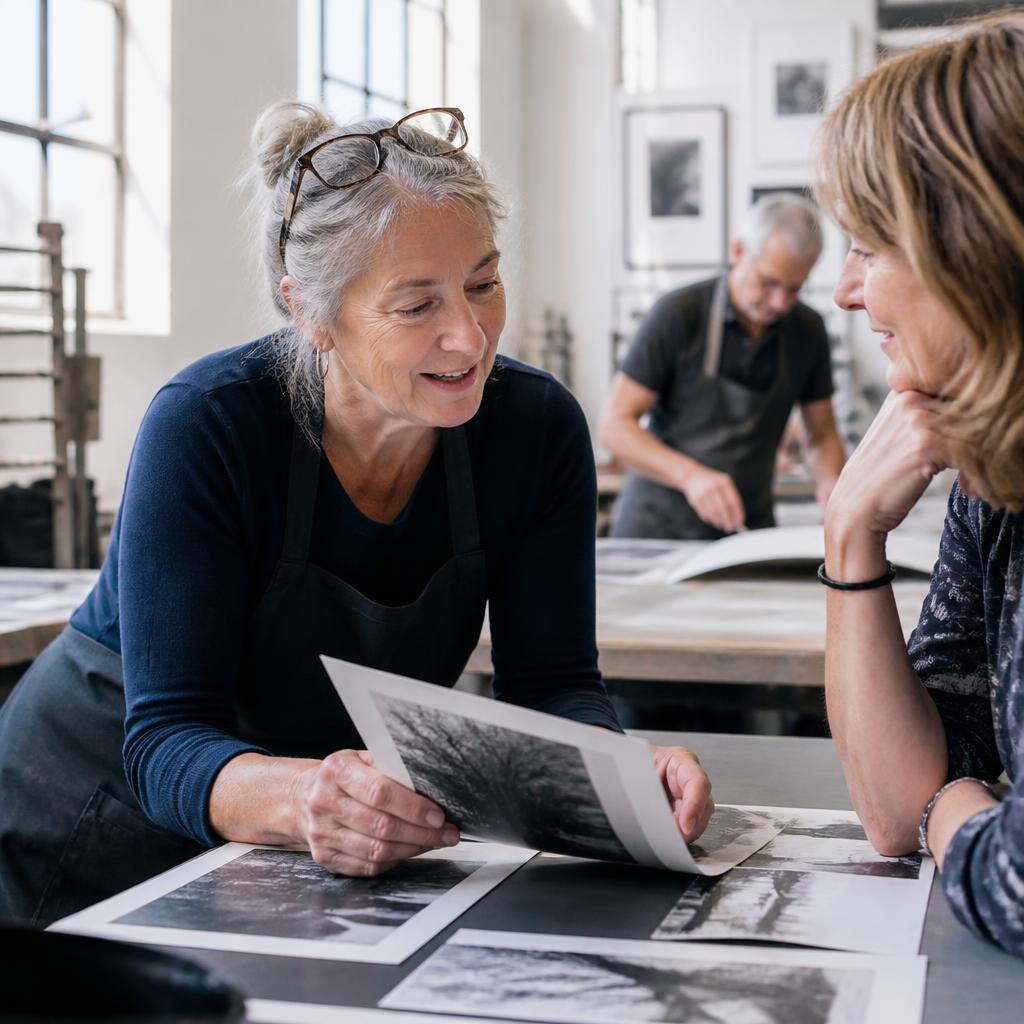
Ageing is often presented as a list of losses to delay: slower recovery, fewer options, a smaller future. Some changes are difficult, and it would be dishonest to describe every loss as a hidden gift. But getting older is not only a process of decline. Across a long life, some skills deepen, some priorities become clearer, and some people find it easier to hold steady when a day does not go to plan.
These are possibilities, not automatic rewards for reaching a certain birthday. Your experience depends on health, relationships, money, culture, opportunity and chance. Research describes patterns across groups; it cannot tell you what will matter in your own life. The more useful question may be: which strengths have I developed, and how do I want to use them now?
Some abilities follow different timelines
Thinking is not one skill that rises or falls as a single package. Researchers often distinguish between abilities that depend on speed and solving unfamiliar problems and abilities built from knowledge, vocabulary and experience. The first group can be more sensitive to age-related change; the second can be maintained or strengthened through much of adult life. Neither pattern applies identically to everyone, and knowledge-based abilities can also change, especially in later old age or alongside illness.
A review of normal cognitive ageing describes vocabulary and general knowledge as examples of “crystallized” abilities: information accumulated and practised over time. A long-running programme, the Seattle Longitudinal Study, also found that adult abilities have different patterns across the lifespan. This is not evidence that older people are better at every task. It is a reminder that a slower response on one unfamiliar test does not measure a person’s judgement, expertise, creativity or accumulated knowledge.
Experience can make some decisions feel less mysterious. You may recognise a familiar pattern sooner, know which questions to ask, or be more willing to stop investing energy in a situation that has already shown you what it is. Those are practical forms of learning. They do not make ageing effortless, but they can change how you navigate it.
Emotional steadiness may improve for some people
One everyday-life study followed 122 adults aged 20 to 80 for ten days. Participants reported how they felt and how they responded to desires or temptations. In this sample, older participants reported stronger positive emotions, less intense negative emotions and more stable emotional experiences. They also reported more success in resisting desires, even though they experienced desires too.
The result is interesting because it comes from daily reports rather than one laboratory exercise. But the study was relatively small, lasted only ten days and compared age groups at one point in time. It cannot prove that every person becomes calmer with age, that age alone caused the differences, or that an individual should feel better if they are going through a difficult period. Bereavement, discrimination, illness, isolation, financial pressure and other circumstances can affect wellbeing at any age.
The careful takeaway is that emotional life need not follow a simple “older means worse” story. Some people build habits of perspective, and some studies find that average patterns of emotional experience differ by age. Neither observation should be used to dismiss distress. If you are struggling, support is appropriate; you do not have to wait until you have learned to manage everything yourself.
Time can sharpen what feels worth doing
With experience, priorities can change. You may become more selective about who gets your time, more willing to ask for help, or more interested in meaningful relationships than in collecting status. A day that once felt like a blank stretch may now have a clearer shape: a conversation you want to protect, a skill you want to learn, or a responsibility you want to share.
That shift is not guaranteed, and it is not simply caused by a shorter future. People respond differently to health changes, family needs, work and the freedom or constraints around them. Still, noticing what matters is a useful form of agency. You can choose to protect a friendship, take on a new role, spend less time on a commitment that no longer fits, or make room for an interest you postponed.
Ageing can also bring a better sense of proportion. A mistake that once felt permanent may look more like one part of a long story. A plan can be revised without being abandoned. You may know the difference between something you want to achieve and something you feel pressured to want. These are not clinical effects of age; they are capacities people can develop through reflection and practice.
Make room for losses without making them the whole story
Celebrating possible strengths does not require pretending that ageing is easy. A change in health can limit an activity you love. Caring for someone else can crowd out your own plans. A relationship may end, work may become uncertain, or a familiar role may disappear. A hopeful article should not tell you to be grateful instead of grieving, or suggest that a positive outlook will prevent illness.
It is possible to hold two truths together: something has become harder, and there are still choices available. Support, adaptations and relationships can matter more than positive thinking. A new plan may be smaller than the one you imagined, but it can still be yours. If a change is affecting your mental or physical health, consider speaking with someone you trust or seeking appropriate professional help.
Try a small life-design reflection
Set aside ten quiet minutes and finish these sentences without trying to make the answers impressive:
- “I know more about myself now than I did ten years ago because…”
- “One relationship, responsibility or interest I want to give more room to is…”
- “One thing I could make easier in the next two weeks is…”
Pick one answer and turn it into a small experiment. If you want more conversation, suggest a walk or a regular call. If you want to return to a skill, find a taster session rather than committing to a year. If you want a different relationship with work, start by noticing which parts of the week give you energy and which parts take it away. The point is not to fix your life in one sitting. It is to see what a realistic next step might look like.
Our guides to rethinking work after retirement and friendship and connection as life changes explore two places where priorities can shift. For a wider starting point, the Life Design guide helps you begin with what matters before deciding what to change.
What the evidence can—and cannot—say
Studies of ageing usually compare groups or track selected abilities. They do not rank people’s lives, tell us how long someone will live, or show that a particular birthday unlocks a new stage of wisdom. A result from one sample may not fit people with different backgrounds, cultures, health or life circumstances. Averages can point to a question worth asking; they are not a script for your future.
The research on cognition suggests that abilities change at different rates, and the research on everyday emotion suggests that some forms of emotional stability may be greater among older adults in particular samples. Neither means that ageing is only positive or that individuals can control every outcome. The value of the findings is more modest: they widen the picture of what ageing can include.
You do not need to prove that every year is better than the last. You can notice what experience has given you, acknowledge what has become harder, and decide what deserves more room in the life you have now. That is a more honest kind of optimism than trying to defeat age.
Sources / Further reading
- Burr et al., “Emotion dynamics across adulthood in everyday life,” Emotion, 2020.
- Harada, Natelson Love and Triebel, “Normal Cognitive Aging,” Clinics in Geriatric Medicine, 2013.
- Schaie, “The Seattle Longitudinal Study of Adult Cognitive Development,” research review.
This article is for general education, not a lifespan estimate, mental-health assessment or personal medical advice. If changes in mood, memory or daily function are worrying you, speak with an appropriate healthcare professional.